Buying a senior apartment in Switzerland: the process step by step
Buying an apartment in later life: the six phases and how long they take – and what differs from a first purchase: affordability on pension income, accessibility, the renovation fund.
Published 2 June 2026· Updated 10 September 2026· 5 min read· Article as Markdown
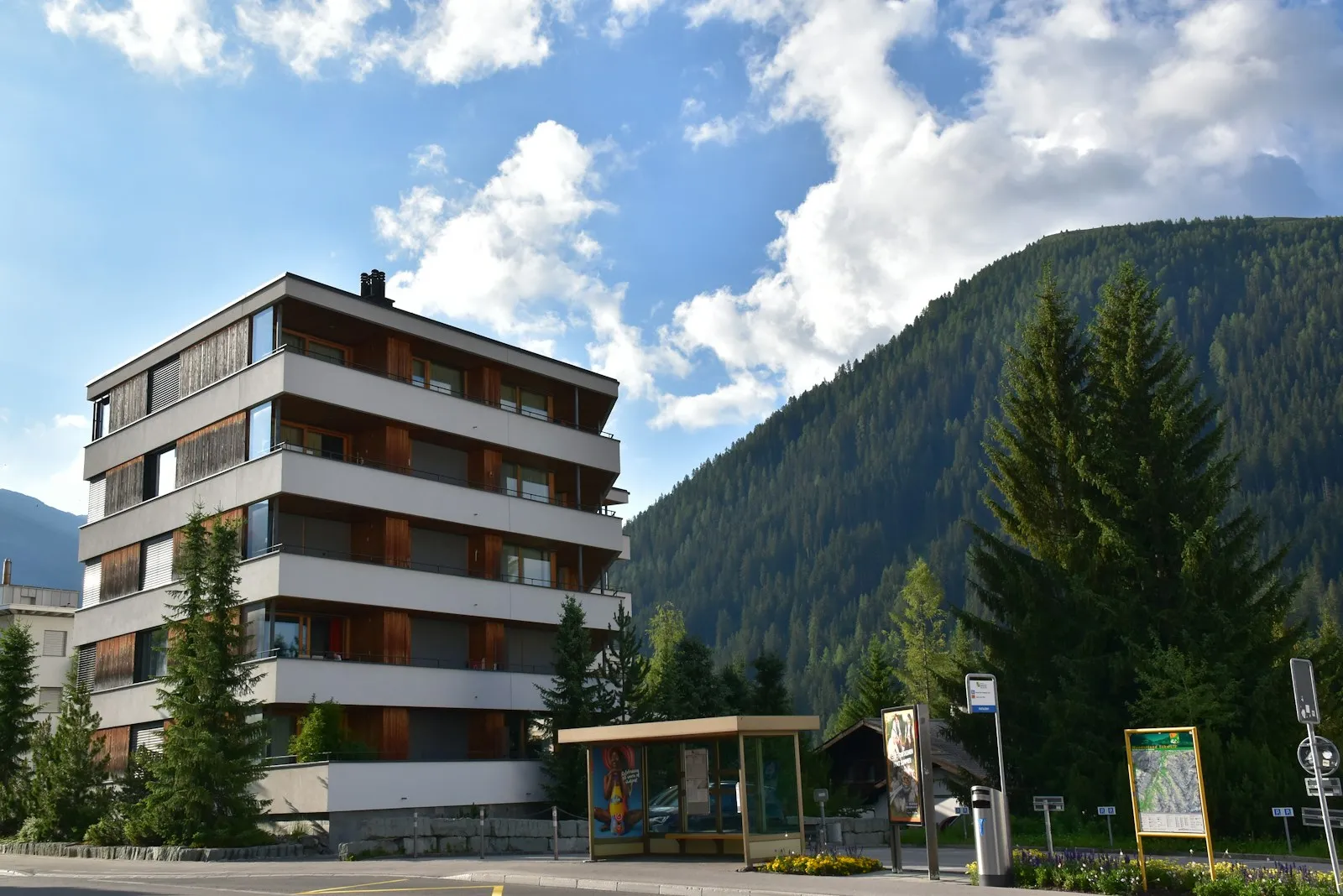
Buying a condominium apartment in later life follows the same six phases as any Swiss apartment purchase – from financing confirmation to the land register entry takes two to four months once you have found the property. But three things are different: the bank calculates affordability on pension income rather than salary, the apartment has to still work in ten years’ time, and usually the sale of your current home is running alongside. Planning all of that together from the start removes the time pressure that causes the most expensive mistakes.
How does buying an apartment work? The six phases
- Clarify the budget and get a financing confirmation – from a bank, insurer or mortgage broker
- Search and view – online, through an agent or via your own network
- Acceptance and reservation – record the intention to buy, take the property off the market
- Prepare the purchase contract and fix the financing – the notary drafts, the bank makes its final assessment
- Notarisation – both parties sign before the notary
- Land register entry and handover – ownership passes, you get the keys
| Phase | Typical duration | Main parties |
|---|---|---|
| Budget and financing confirmation | 1–2 weeks | You, bank or broker |
| Search and viewings | 3–12 months | You, agent, seller |
| Acceptance and reservation | 1–4 weeks | You, seller, agent |
| Purchase contract and final financing | 4–8 weeks | Notary, bank, both parties |
| Notarisation | 1 appointment | Notary, buyer and seller |
| Land register entry and handover | a few days to weeks | Land registry, bank, both parties |
What is different about buying in later life?
The bank counts your pension, not your salary
This is the most important difference and the most common stumbling block. After retirement what counts is the state pension, the occupational pension and, depending on the institution, an imputed return on free assets. A lump-sum withdrawal from your pension fund does not count as income – it increases assets and therefore often worsens the affordability calculation rather than improving it.
So get the financing confirmation before you start looking, and ask explicitly for a calculation based on your pension income. How the bank does the maths in detail is set out in the guide on mortgages after retirement.
The apartment has to still fit in ten years
On a first purchase, what matters is whether an apartment appeals today. Now what matters is whether it still works when walking becomes harder. That is not a gloomy thought but a practical one: in a condominium a great deal cannot simply be retrofitted, because shared building elements are involved.
Take these points to every viewing:
- Is the entrance step-free, and is there a ramp or a lift?
- Does the lift reach the underground garage and the basement?
- Are the laundry room, letterboxes and refuse point reachable without stairs?
- How wide are the doors, particularly to the bathroom and the WC?
- Is there a level-access shower – or could one be installed?
- Is there enough space in front of the WC for someone to assist?
- How far are the shops, the doctor, the pharmacy and the bus stop on foot?
What a barrier-free conversion costs, if retrofitting is needed, is covered on the topic page Adapting your home.
Condominium: the renovation fund matters
Moving from your own house into a condominium means buying not just floor space but membership of an owners’ association. Its financial health affects you directly.
Ask for three things before buying: the balance of the renovation fund, the minutes of the last three owners’ meetings, and the association rules. The minutes tell you which works are coming up and whether the association can pay for them. An underfunded reserve means extraordinary contributions – particularly unwelcome on a fixed pension income.
Also check the rules on structural alterations: whether you may later install a stairlift or a ramp in a shared area is decided by the association, not the municipality.
Age limits and occupancy rules
Subsidised or co-operative senior apartments frequently carry an age limit, often from 60 or 65, sometimes with rules on rooms per person. Freely sold condominium apartments generally do not. Ask early – it determines whether you are eligible at all.
Selling and buying at the same time: which order?
Both have a catch. Buying first puts you under pressure to sell and weakens your negotiating position. Selling first means finding somewhere to live in between.
In practice the middle route works best: start the sale and search in parallel, with a generous handover deadline in the purchase contract. Bridging finance from the bank is possible but harder to obtain after retirement – clarify it before you need it. Whether the move makes sense at all compared with converting is covered in Adapt or sell?.
Viewing without making every journey
Three to twelve months of searching means many viewings, and most lead nowhere. A 360° tour shows rooms, door widths and the layout before you set off – and the children can look along from another canton. It cannot replace the visit itself: no recording conveys noise, the light at different times of day, or the atmosphere in the building. More on this in the guide to viewing senior housing online.
Which pitfalls cost the most?
- A reservation payment without a notarised preliminary contract. Legally delicate; get the conditions in writing before you pay.
- Forgetting the incidental purchase costs. The bank does not finance them – details in the guide to purchase costs.
- Not reading the minutes. The most expensive half hour anyone ever saves.
- Selling too late. The most common reason for a poor sale price is time pressure, not the market.
Summary
- The process is the same as any apartment purchase: six phases, two to four months once you have found the property.
- The financing confirmation belongs at the start – and must be based on pension income, not on your last salary.
- Assess accessibility and everyday reach with the next ten years in mind, not today.
- The renovation fund, the meeting minutes and the association rules tell you more about an apartment than any listing.
- Run the sale and the purchase in parallel with a generous handover deadline – that takes the time pressure out of both.
Frequently asked questions
How long does buying an apartment in Switzerland take?
Usually two to four months from financing confirmation to the land register entry, once you have found the property. The search itself typically takes three to twelve months. If you are moving out of your own house, allow additional time for the sale – that takes three to nine months of its own.
Can I still buy an apartment once I am retired?
Yes. There is no upper age limit, but the bank calculates affordability on pension income rather than salary – usually considerably less. So get the financing confirmation before you start looking, not once you have found the apartment, and ask explicitly for it to be based on your pension income.
What should I look out for in a senior apartment?
Door widths and thresholds, a level-access shower, whether the lift reaches the underground garage and the basement, and whether the laundry room and letterboxes are reachable without stairs. Also check whether the apartment would still work with a walking frame – retrofitting is harder in a condominium than in your own house.
What is the renovation fund and why does it matter?
A shared reserve held by the condominium owners' association for future work on the roof, façade, heating and lift. If it is underfunded, extraordinary contributions can follow – particularly unwelcome in later life, when income is fixed. Ask for the minutes of the last three owners' meetings and the current balance of the fund before buying.
Is there an age limit on senior apartments?
With subsidised or co-operative senior apartments, often yes – frequently from 60 or 65, sometimes with rules on the number of rooms per person. With freely sold condominium apartments this generally does not apply. What counts is written in the association's rules or the co-operative's statutes.
Should I sell first or buy first?
Both have a catch: buying first puts you under time pressure to sell; selling first means finding an interim solution. In practice it works well to start the sale and search in parallel, with a generous handover deadline in the purchase contract. Bridging finance is possible but harder to obtain after retirement.
Related guides

Estate planning · Financing
Passing on property: right of residence, equalisation and tax
Transferring the house during your lifetime and staying put: right of residence versus usufruct, equalisation among siblings, statutory shares, and the deferred property gains tax.
12 August 2026 · 6 min read

Moving home
Moving to a senior apartment: checklist with deadlines
From notice to move-in: a six-month timeline, deadlines for the municipality, compensation office and home-care service – and why clearing the old home takes longest.
6 August 2026 · 5 min read
Renting & rights · Moving home
Handing back a home after decades: what you actually owe
After 30 years in the same apartment almost everything is written off. How the useful-life table works, what counts as normal wear, and when the deposit must be released.
28 July 2026 · 4 min read